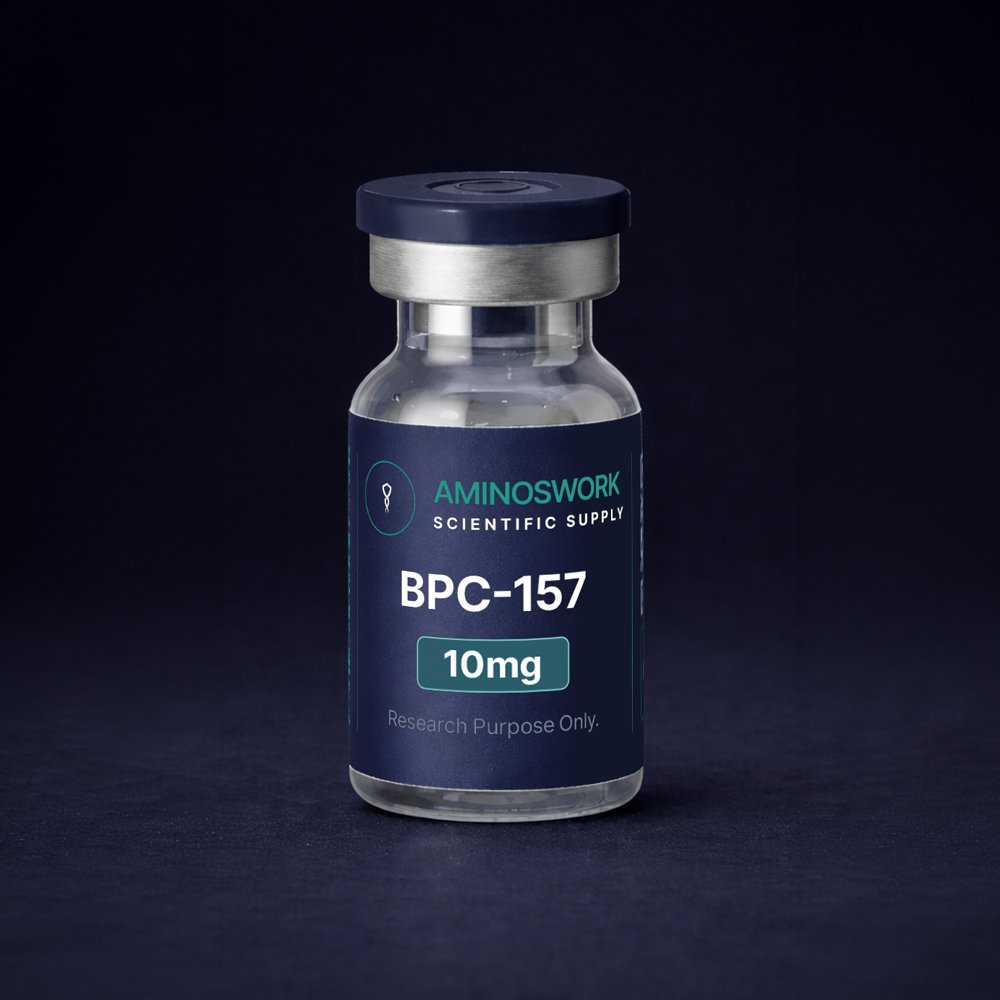
BPC-157 is a synthetic pentadecapeptide investigated in laboratory research for its role in cellular signaling associated with tissue integrity, endothelial response, and nitric-oxide–related pathways in controlled experimental models.
Current Lot ID
2602-C104-10-001
Third-party analytical validation via HPLC & MS / Sequence matching verified

Research Use Only

This product is intended for research purposes only.
Configure Order

Select quantity and verify pricing.
SELECT CONCENTRATION
VOLUME PRICING
1
Technical Specification

Scientific Context & Applications

Research Profile Access

View extended technical data, molecular targets, signaling pathways, and historical research timelines for BPC-157

Scientific Context
Molecular classification and background.

BPC-157 (Body Protection Compound-157) is a stable synthetic peptide consisting of 15 amino acids, structurally derived from a gastric protective protein sequence. In biochemical studies, BPC-157 demonstrates resistance to enzymatic degradation and stability across a range of experimental conditions. In laboratory research models, BPC-157 has been examined for its involvement in:
  •  Modulation of nitric oxide (NO)–related signaling pathways
  •  Endothelial cell signaling and vascular response mechanisms
  •  Growth-factor-associated receptor activity (including VEGFR-related pathways)
  •  Cellular signaling processes associated with tissue organization
All observations are derived from controlled non-clinical experimental systems and interpreted strictly at the molecular and cellular research level.

Laboratory Applications
Experimental models and settings.

Experimental models and investigational settings.
  • Soft Tissue Signaling Models: Utilized in experimental systems to study cellular signaling associated with tendon, ligament, and muscle tissue organization.
  •  Angiogenic Pathway Research: Applied in endothelial cell culture assays examining capillary-like structure formation and vascular signaling dynamics.
  •  Gastrointestinal Cellular Models: Investigated in laboratory models assessing epithelial signaling responses under chemical stress conditions.
  • Tissue Interaction Studies: Used in preclinical models examining coordinated cellular signaling during connective tissue remodeling.
All applications are limited to non-clinical research environments.

Scientific References
Peer-reviewed literature data.

  • Sikiric P, et al. (Sikiric P, et al.).“BPC 157 and blood vessels.”Current Pharmaceutical Design
  • Chang CH, et al. (Chang CH, et al.).“BPC 157 and tendon healing.”Journal of Applied Physiology
  • Seiwerth S, et al. (Seiwerth S, et al.).“BPC 157 and standard angiogenic growth factors.”Current Pharmaceutical Design
  • Vukojevic J, et al. (Vukojevic J, et al.).“BPC 157 and the NO system.”Current Pharmaceutical Design

Related Research Compounds

Explore compounds frequently investigated in similar research domains and signaling pathways.

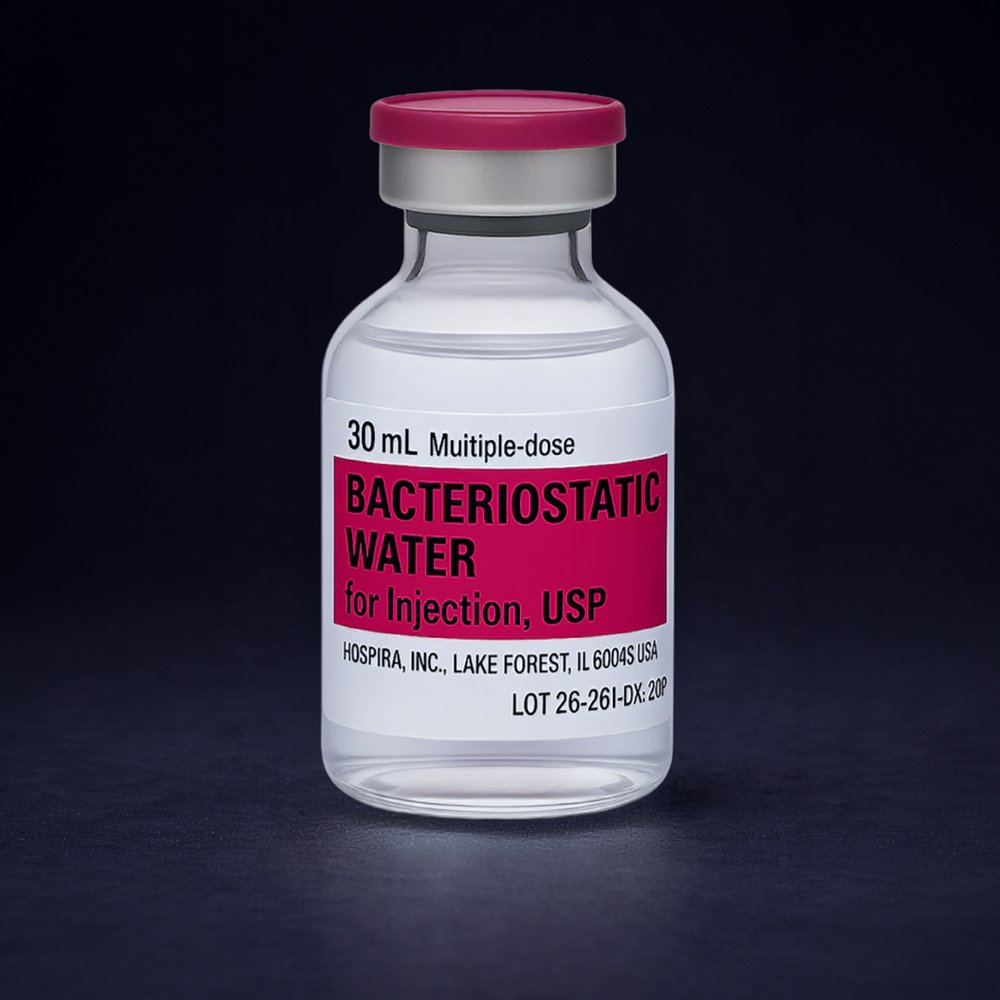
Hospira Bac Water – 30ml

Kisspeptin

374675-21-5

GLP1-S

910463-68-2

5-Amino-1MQ

42464-96-0

Immune & Inflammatory Signaling Bundle

GH Axis & Endocrine Signaling Bundle

Neuro-Signaling & Neuropeptide Bundle

Mitochondrial & Cellular Energy Bundle

Structural & Cytoskeletal Research Bundle