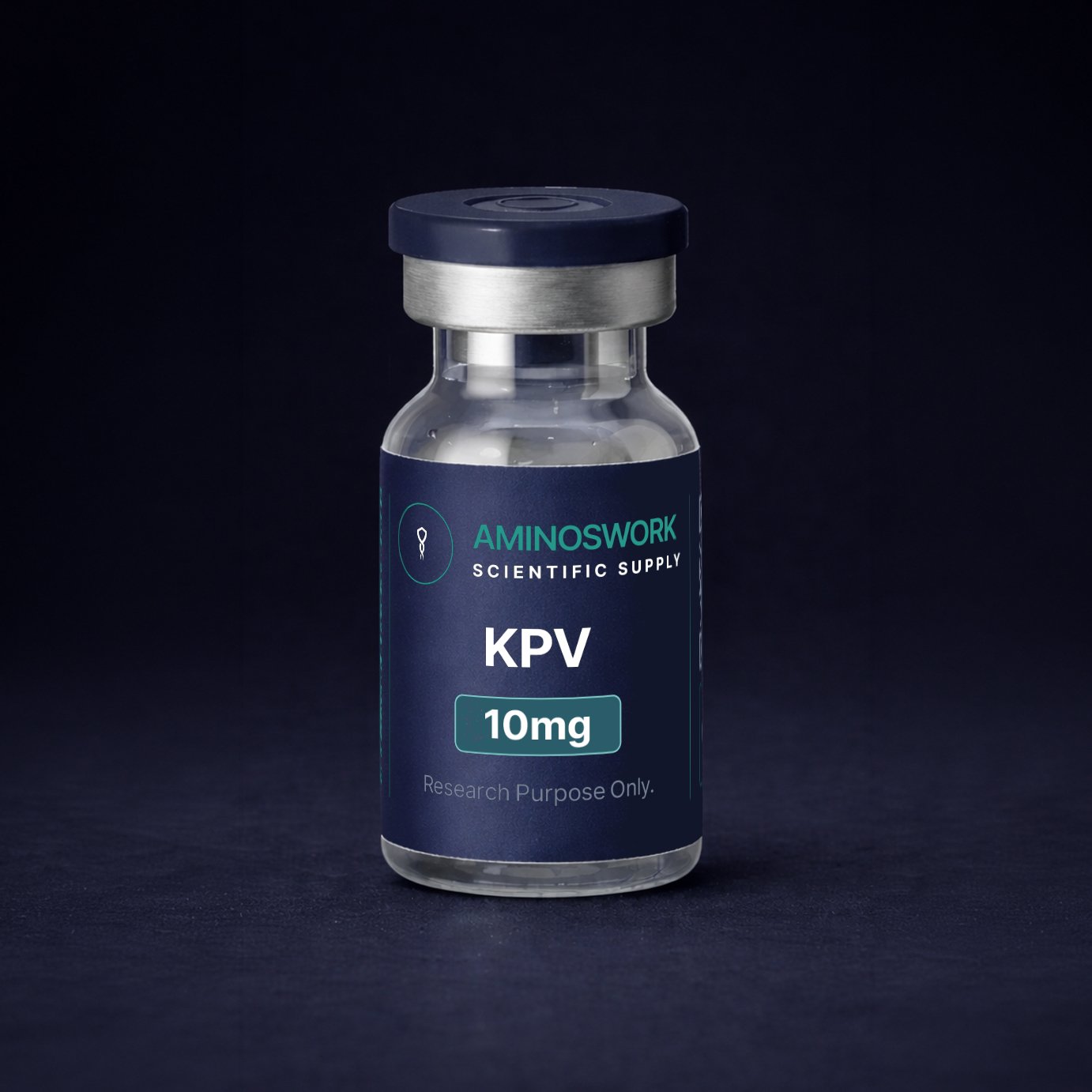
KPV

CAS: 67727-97-3

|

SKU:KPV

KPV is a synthetic tripeptide derived from the C-terminal sequence of alpha-melanocyte-stimulating hormone (α-MSH), developed for laboratory investigation of peptide-mediated immune modulation, inflammatory signaling pathways, and cellular transcriptional regulation in controlled research environments.
Current Lot ID
2602-C123-10-001
Third-party analytical validation via HPLC & MS / Sequence matching verified

Research Use Only

This product is intended for research purposes only.
Configure Order

Select quantity and verify pricing.
SELECT CONCENTRATION
VOLUME PRICING
1
Technical Specification

Scientific Context & Applications

Research Profile Access

View extended technical data, molecular targets, signaling pathways, and historical research timelines for KPV

Scientific Context
Molecular classification and background.

KPV (Lys-Pro-Val) is the C-terminal tripeptide fragment of alpha-MSH, engineered to retain immunomodulatory and anti-inflammatory signaling properties without the melanogenic effects associated with the full-length peptide. In laboratory research models, KPV has been examined for its involvement in:
  • Modulation of NF-κB–dependent transcriptional pathways
  • Regulation of pro-inflammatory cytokine expression
  • Peptide transport mechanisms mediated by PepT1 transporters
  • Cellular signaling pathways associated with innate immune responses
All findings are derived from controlled non-clinical experimental systems and interpreted strictly at the molecular and cellular level.

Laboratory Applications
Experimental models and settings.

KPV is utilized in non-clinical research environments as a peptide probe to investigate immune-related signaling and inflammatory modulation. Reported experimental applications include:
  • Inflammatory Signaling Models: Applied in epithelial and immune cell cultures to study suppression of inflammatory gene transcription.
  • Intestinal Inflammation Research: Used in experimental systems modeling epithelial immune responses and mucosal signaling pathways.
  • Antimicrobial Mechanism Studies: Investigated in microbiological assays to examine peptide-mediated host-defense activity.
  • Tissue Inflammation Models: Applied in laboratory systems evaluating cellular responses associated with inflammation and repair signaling.

Scientific References
Peer-reviewed literature data.

  • Dalmasso G, et al. (Dalmasso G, et al.).“PepT1-mediated tripeptide KPV.”Gastroenterology
  • Vavricka SR, et al. (Vavricka SR, et al.).“KPV intestinal inflammation.”Gastroenterology
  • Cutuli M, et al. (Cutuli M, et al.).“Antimicrobial effects of KPV.”Journal of Leukocyte Biology
  • Luger TA, et al. (Luger TA, et al.).“Alpha-MSH and inflammation.”Annals NY Acad. Sci.

Related Research Compounds

Explore compounds frequently investigated in similar research domains and signaling pathways.

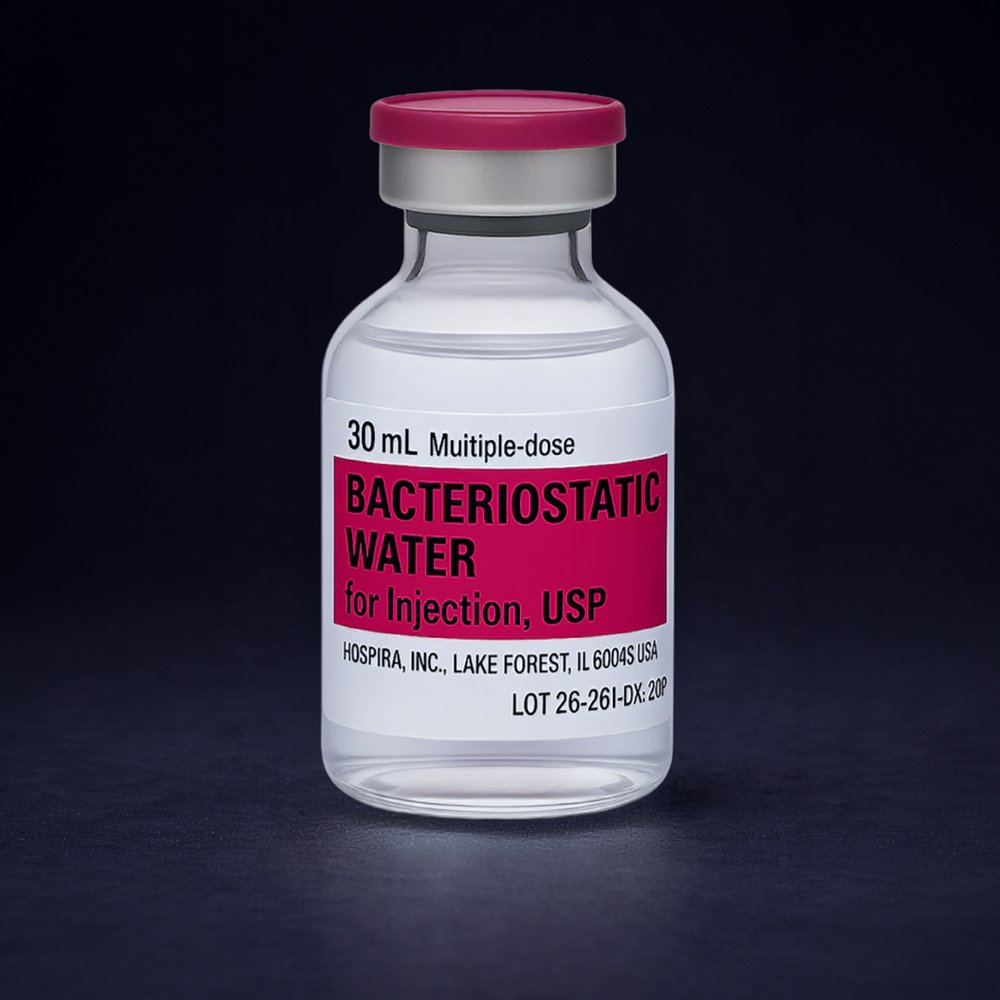
Hospira Bac Water – 30ml

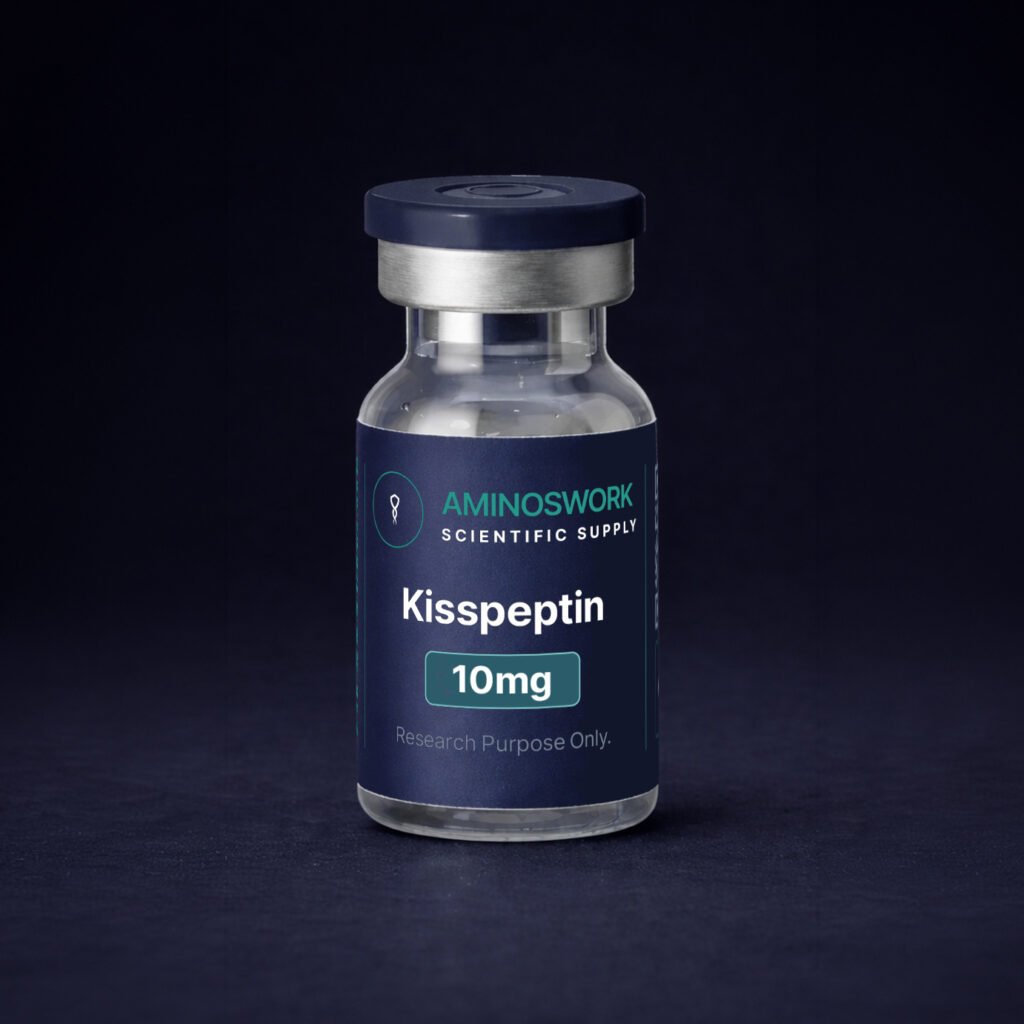
Kisspeptin

374675-21-5

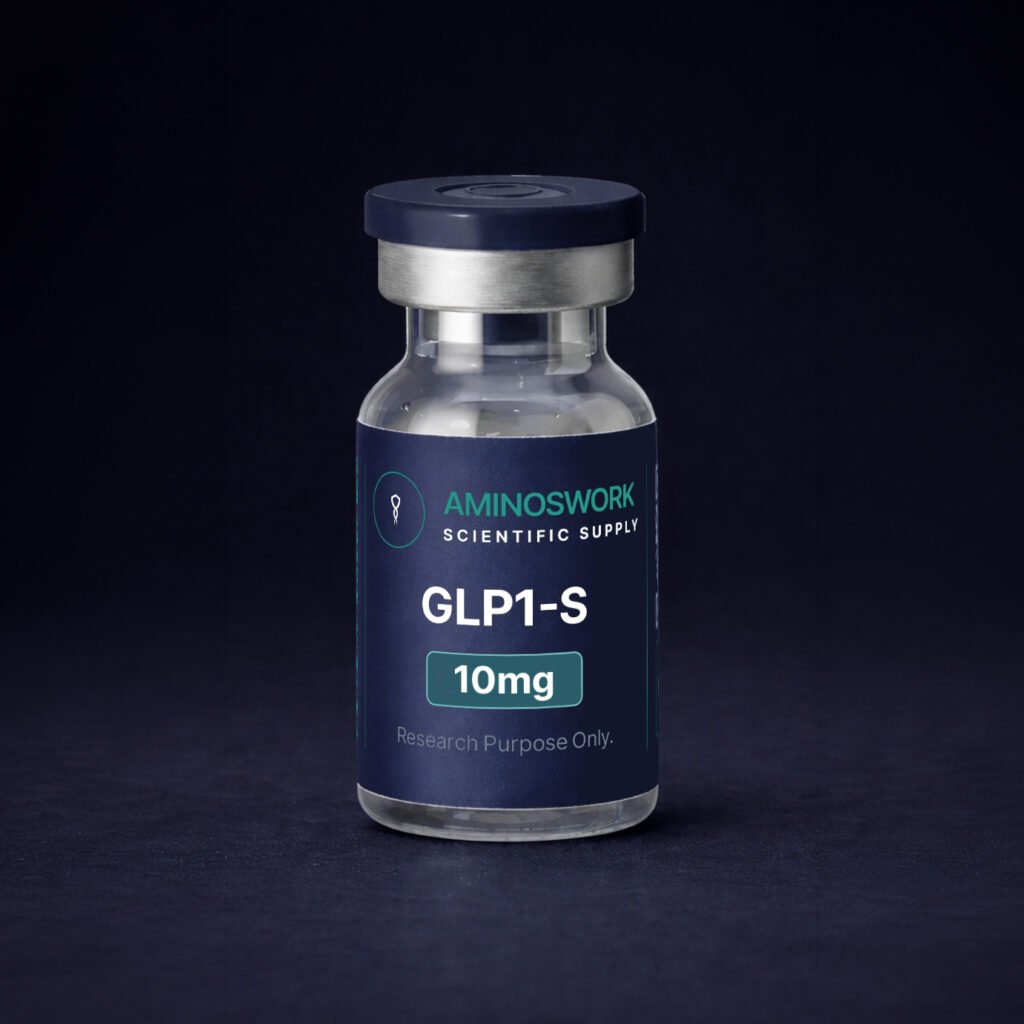
GLP1-S

910463-68-2

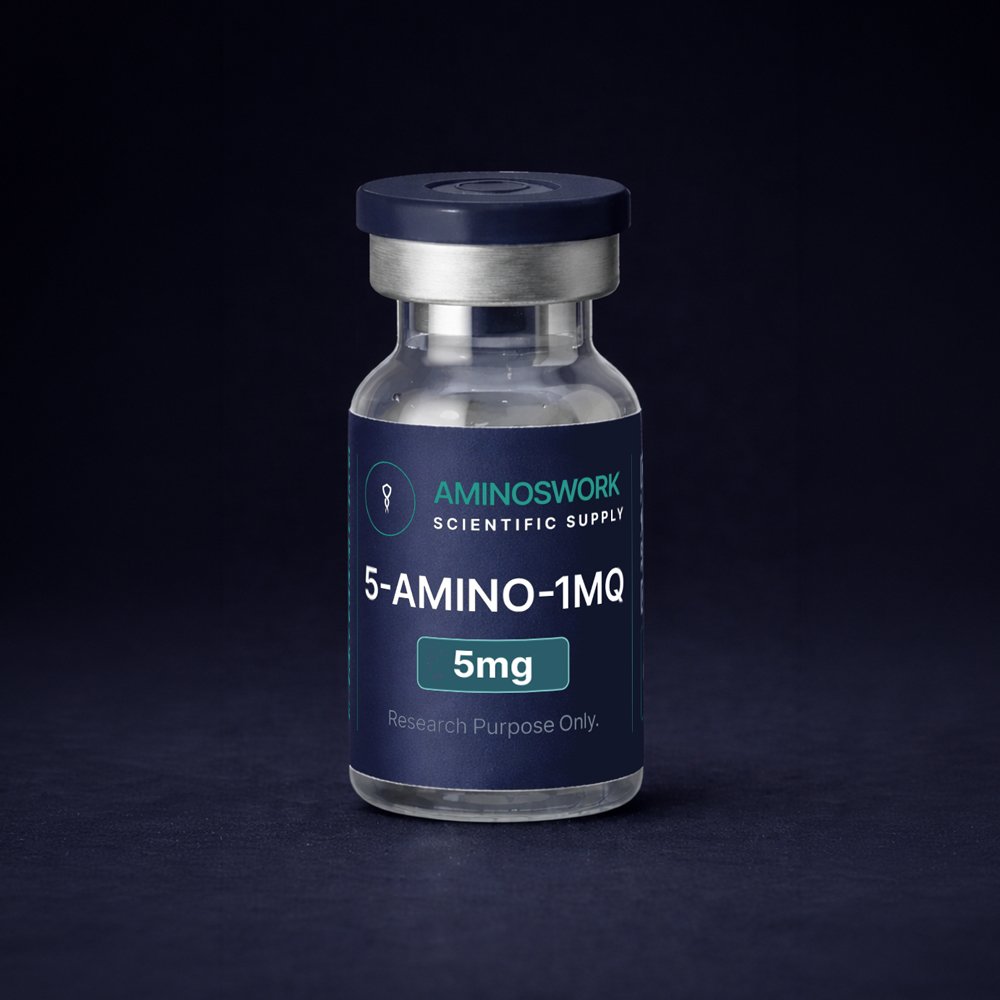
5-Amino-1MQ

42464-96-0

Immune & Inflammatory Signaling Bundle

GH Axis & Endocrine Signaling Bundle

Neuro-Signaling & Neuropeptide Bundle

Mitochondrial & Cellular Energy Bundle

Structural & Cytoskeletal Research Bundle