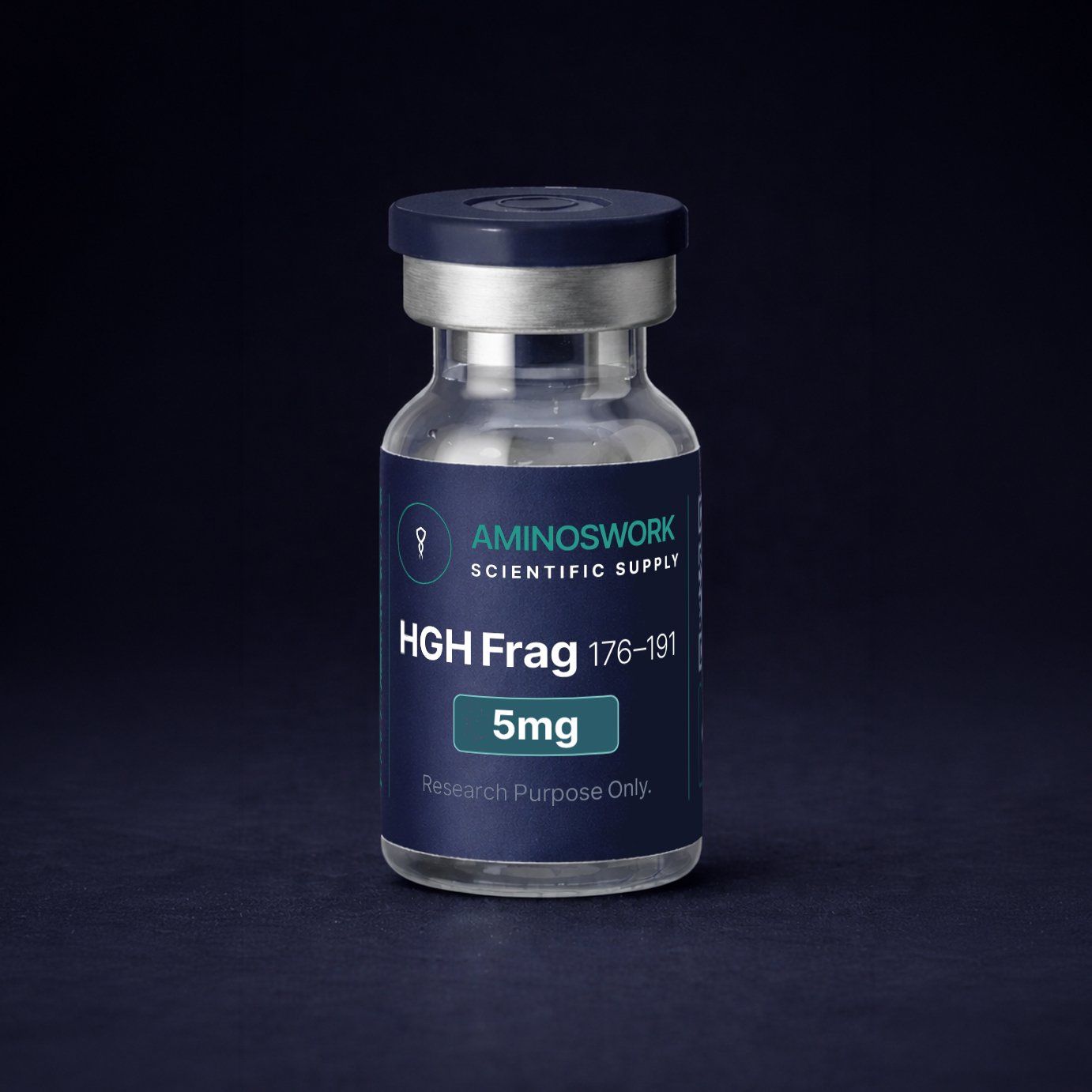
HGH Fragment 176-191

CAS: 66004-57-7

|

SKU:HGH Fragment 176-191

HGH Fragment 176-191 is a synthetic peptide corresponding to the C-terminal amino acid sequence (176–191) of human growth hormone (hGH). This fragment has been isolated for laboratory research focused on growth-hormone–derived signaling mechanisms that occur independently of insulin-like growth factor-1 (IGF-1) receptor activation.
Current Lot ID
2602-C120-5-001
Third-party analytical validation via HPLC & MS / Sequence matching verified

Research Use Only

This product is intended for research purposes only.
Configure Order

Select quantity and verify pricing.
SELECT CONCENTRATION
VOLUME PRICING
1
Technical Specification

Scientific Context & Applications

Research Profile Access

View extended technical data, molecular targets, signaling pathways, and historical research timelines for HGH Fragment 176-191

Scientific Context
Molecular classification and background.

HGH Fragment 176-191 represents the C-terminal region of human growth hormone and has been studied in experimental systems to evaluate fragment-specific signaling behavior distinct from intact hGH. Unlike full-length hGH, this peptide fragment does not engage the canonical growth hormone receptor pathway responsible for IGF-1 generation. As a result, it is utilized in research to examine:
  • Fragment-specific receptor interactions
  • IGF-1–independent signaling mechanisms
  • Growth-hormone–derived peptide activity at the cellular level
All observations are limited to controlled experimental systems and are interpreted strictly within a molecular research context.

Laboratory Applications
Experimental models and settings.

HGH Fragment 176-191 is utilized in non-clinical research environments as a biochemical probe to investigate growth-hormone-derived fragment signaling. Reported experimental contexts include:
  • Adipocyte-Derived Cell Research Used in isolated adipocyte or adipose-derived cell systems to examine intracellular signaling markers associated with growth-hormone fragments.
  • IGF-1 Pathway Specificity Studies Applied in controlled laboratory assays to verify lack of IGF-1 receptor engagement relative to full-length hGH.
  • Enzyme & Gene Expression Research Utilized to explore changes in expression of lipid-associated enzymes and signaling proteins at the transcriptional and molecular level.
  • Comparative Growth Hormone Fragment Studies Examined alongside other hGH-derived peptides to study structure–function relationships in experimental models.
All applications remain strictly investigational and confined to laboratory research use only.

Scientific References
Peer-reviewed literature data.

Selected peer-reviewed literature examining growth hormone fragments and related signaling mechanisms:
  1. Ng FM, et al. Growth hormone fragment signaling in experimental systems. Journal of Endocrinology
  2. Wu Z, et al. GH fragment-associated lipid signaling mechanisms. Biochemical and Biophysical Research Communications
  3. Heffernan MA, et al. Growth hormone fragment effects on cellular metabolism. Endocrinology
  4. Giustina A, et al. Physiology of growth hormone and peptide fragments. Endocrine Reviews
(Clinical, therapeutic, or outcome-based studies are intentionally excluded from commerce pages.)

Related Research Compounds

Explore compounds frequently investigated in similar research domains and signaling pathways.

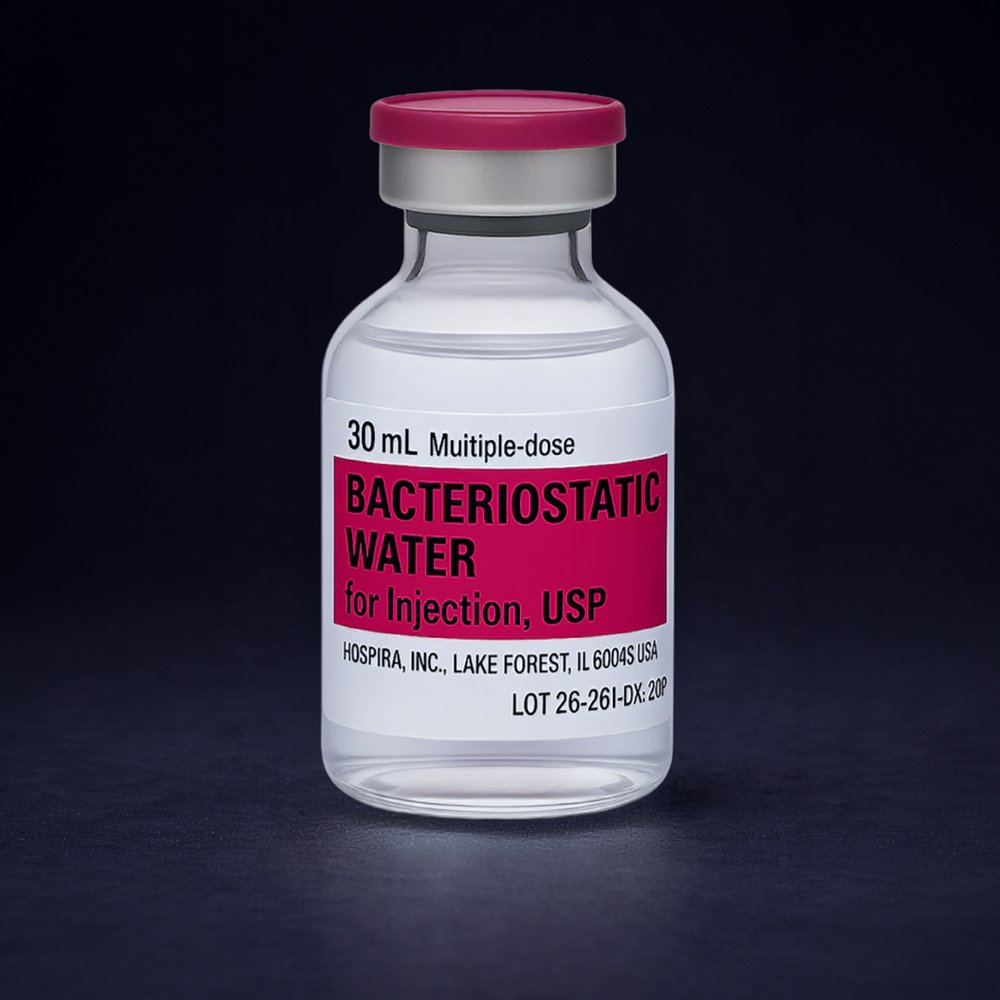
Hospira Bac Water – 30ml

Kisspeptin

374675-21-5

GLP1-S

910463-68-2

5-Amino-1MQ

42464-96-0

Immune & Inflammatory Signaling Bundle

GH Axis & Endocrine Signaling Bundle

Neuro-Signaling & Neuropeptide Bundle

Mitochondrial & Cellular Energy Bundle

Structural & Cytoskeletal Research Bundle